FACETS supports families and individuals who are homeless or at risk of becoming homeless by offering basic needs assistance and comprehensive case management.
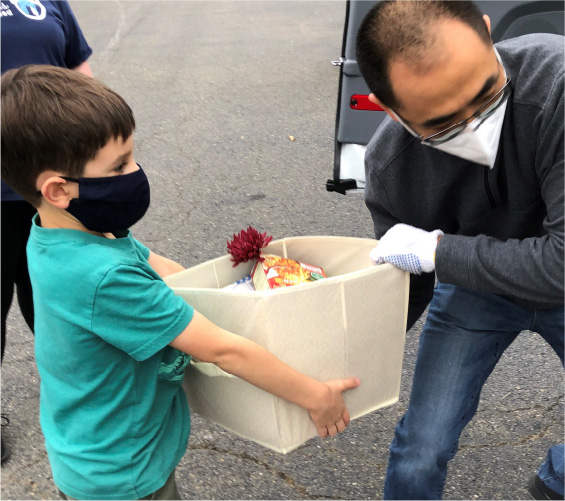
We assist people who are having difficulty meeting their basic needs through our Client Resource Center. In FY10, nearly 4,400 people accessed this service by participating in case management and receiving supplies from our emergency pantry. Adults also accessed client computers and phones to help with their employment and housing searches. Every day of the year, FACETS, in partnership with area faith communities, offers a Hot Meals Program to people who are homeless.
SERVICES FOR SINGLE ADULTS
FACETS offers outreach and support for single adults who are homeless or living in poverty. We seek out and identify people who are living on the streets or in the woods with the goal of helping them stabilize and ultimately move into housing. We also connect them with medical and dental resources. In FY10, nearly 30 adults who are chronically homeless worked with a FACETS case manager to formulate a service plan with attainable goals. Medical assistance is offered to single adults who are served by FACETS. In FY10, our staff helped 262 people connect with medical resources and benefits, including mental health services.
During the winter months, FACETS operates a Hypothermia Prevention and Response Program, in partnership with Fairfax County and nearly 40 faith communities.
SERVICES FOR FAMILIES
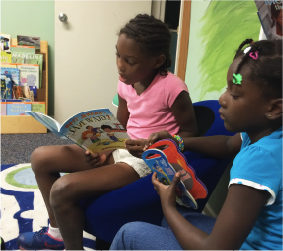
With the waitlist for families to enter a Fairfax County homeless shelter at a two-month minimum, FACETS is the only nonprofit to offer supportive services to families on the waitlist. Our caring case managers work with parents to develop service plans and specific goals, whether their families are precariously housed, temporarily living in area motels or on the verge of becoming homeless. In FY10, our family support team served a total of 792 individuals, 31% of whom were diverted from going into a homeless shelter and instead moved into permanent or transitional housing. Nearly 20% of adults received assistance with employment, and 18% with financial literacy, including budgeting and credit awareness.